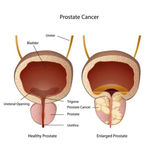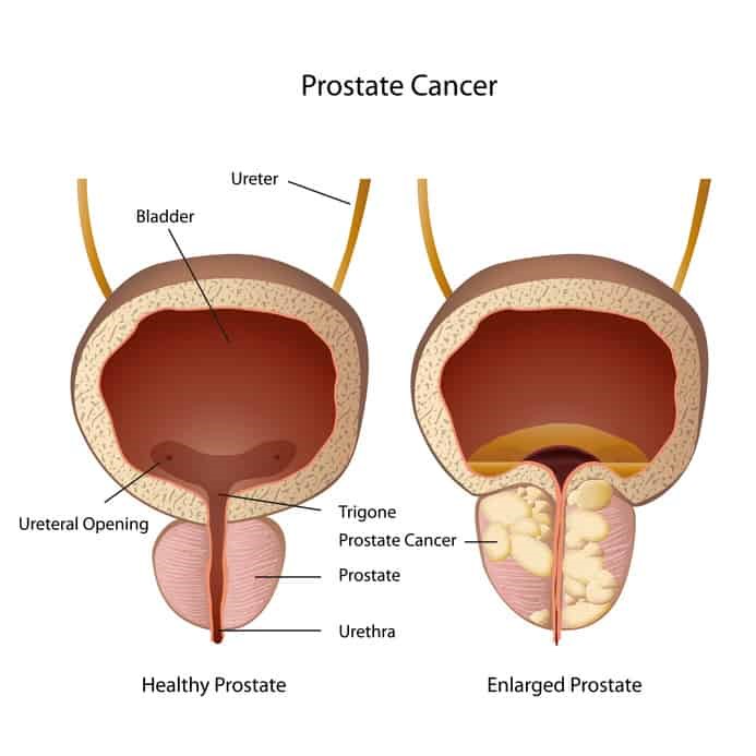
The clinical landscape of prostate cancer management in 2026 is marked by a sweeping integration of diagnostic precision and multi-modal, patient-tailored interventions. The era of uniform, invasive treatments has given way to an interconnected ecosystem of care: advanced diagnostics like PSMA PET/CT and multiparametric MRI (mpMRI) now pinpoint disease with cellular accuracy, enabling interventional radiologists to deploy highly targeted focal therapies like MRI-guided TULSA.
For more aggressive presentations, surgical technologies have expanded to encompass AI-driven, single-port robotic platforms, while radiation oncology has embraced ultra-hypofractionated five-session SBRT and adaptive MR-Linac tracking to aggressively shield healthy tissue.
Complemented by systemic innovations in theranostics (such as Lutetium-177 PSMA) and genetically targeted combinations, contemporary prostate cancer care in 2026 seamlessly bridges the gap between definitive oncological control and the rigorous preservation of a patient’s long-term quality of life.
SURGERY
As of early 2026, advances in surgical treatment for prostate cancer are focused on accelerating functional recovery (continence and potency), enhancing precision through technology, and minimizing invasiveness.
Robot-assisted radical prostatectomy (RARP) remains the standard of care, now enhanced by single-port systems, advanced nerve-sparing techniques, and artificial intelligence.
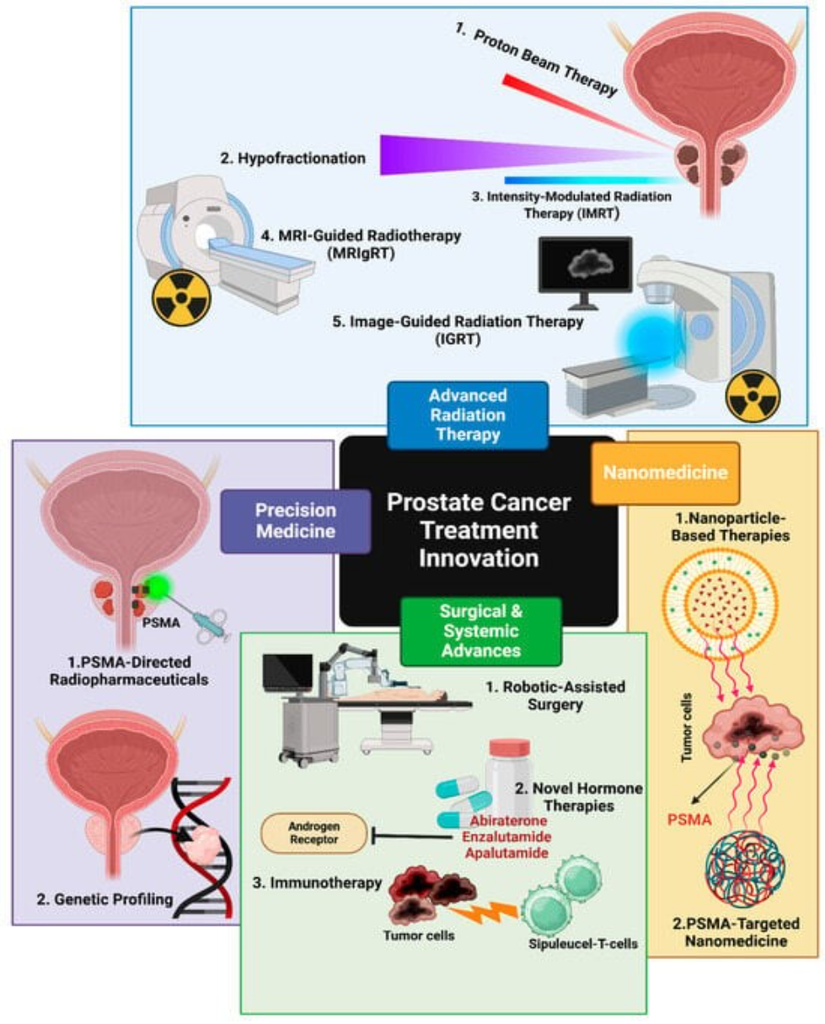
Relevant prostate anatomy:
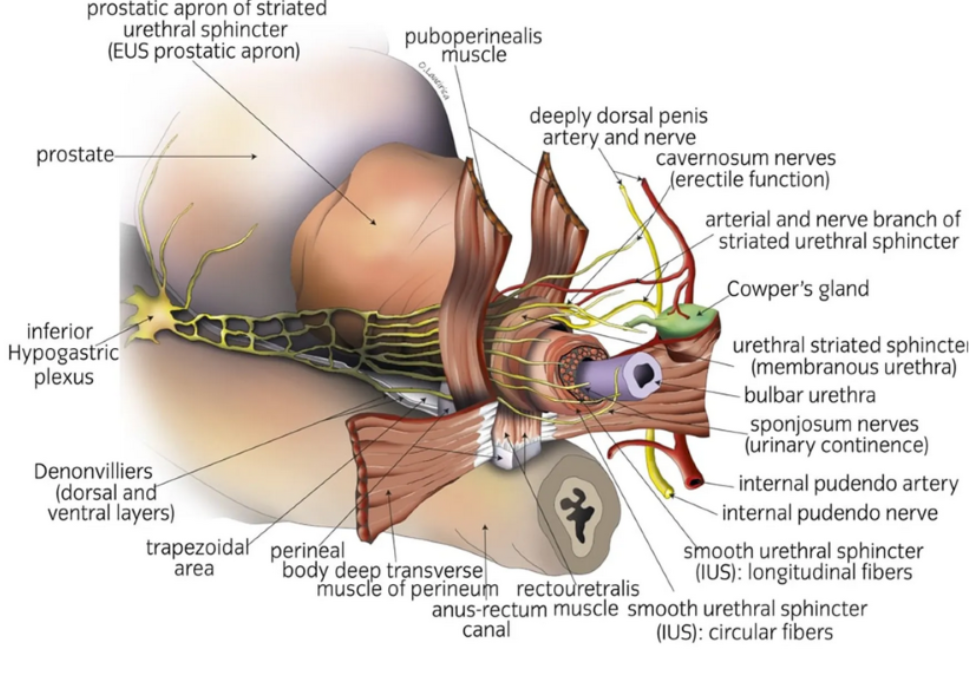
Key breakthroughs and trends as of 2026 include:
1. Single-Port (SP) Robotic Surgery and Novel Access Routes
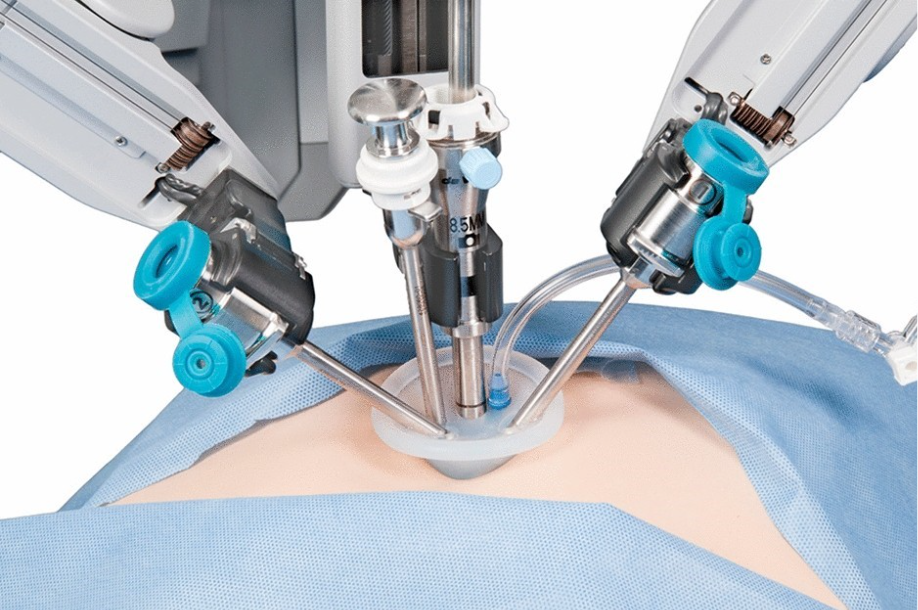
Single-Port RARP (SP-RARP): The da Vinci SP system is a major advancement, enabling the entire surgery to be performed through a single 2-4 cm incision. This reduces tissue trauma, pain, and allows for faster recovery times, often as outpatient procedures.
Transvesical Approach: A pioneering single-port approach that works through the bladder (“transvesical”) rather than the traditional abdominal approach. This allows surgeons to access the prostate while sparing Retzius space, which is critical for preserving anterior supporting structures and improving early urinary continence.
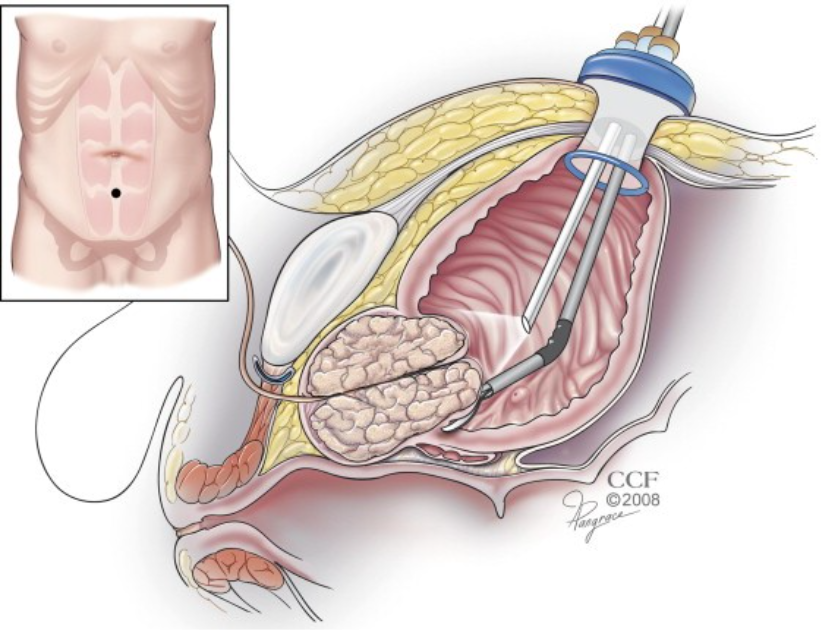
Single-Port Transvesical radical prostatectomy
Extraperitoneal Approach: Used with SP robotics, this approach avoids manipulating the bowel, leading to faster hospital discharge and fewer complications.
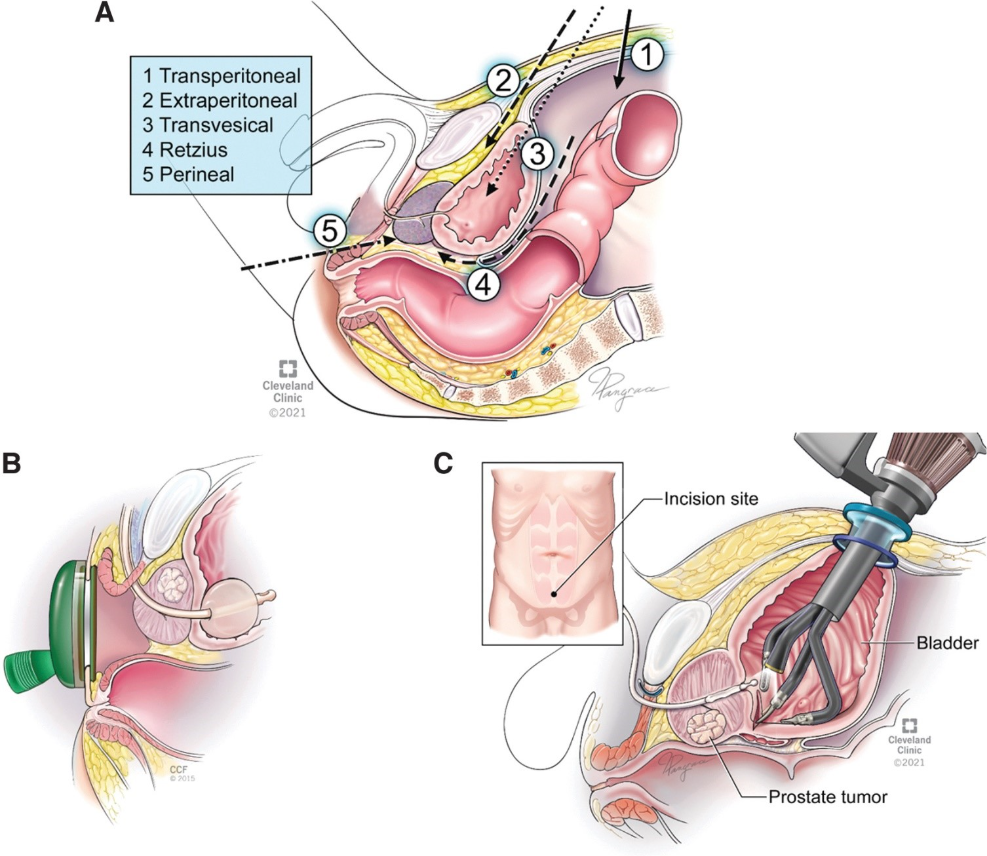
2. Refined Nerve-Sparing and Functional Preservation
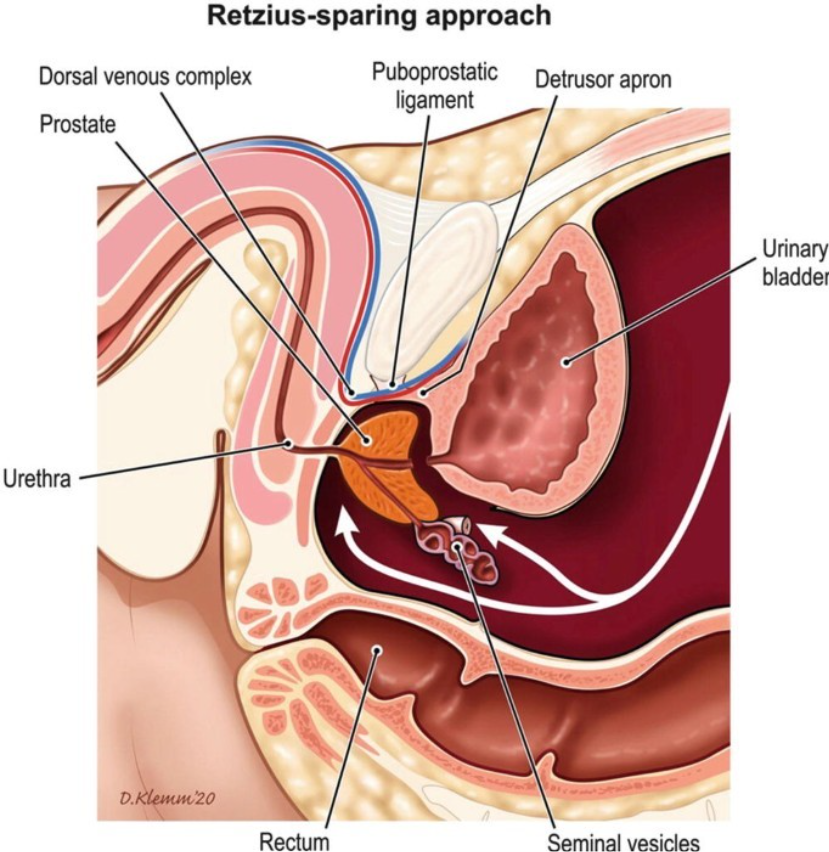
Retzius-Sparing Approach (Posterior RARP): This approach leaves the entire anterior compartment undisturbed, resulting in superior immediate to early urinary continence rates (65-80% at one week) compared to traditional RARP.
“Hood” Technique (Hood-Sparing RARP):
A technique that preserves a wider “hood” of fascia around the external sphincter, improving early continence to ~80% dryness at 1 month.
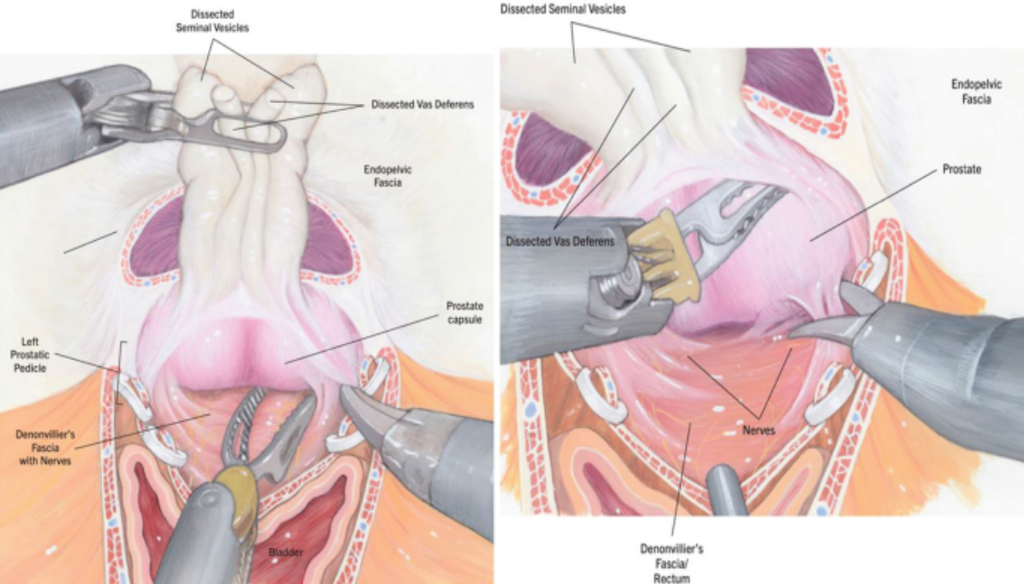
Veil of Aphrodite/Intrafascial Nerve Sparing: A delicate nerve-sparing technique that “peels” the nerves off the prostate rather than cutting them, crucial for preserving sexual function.
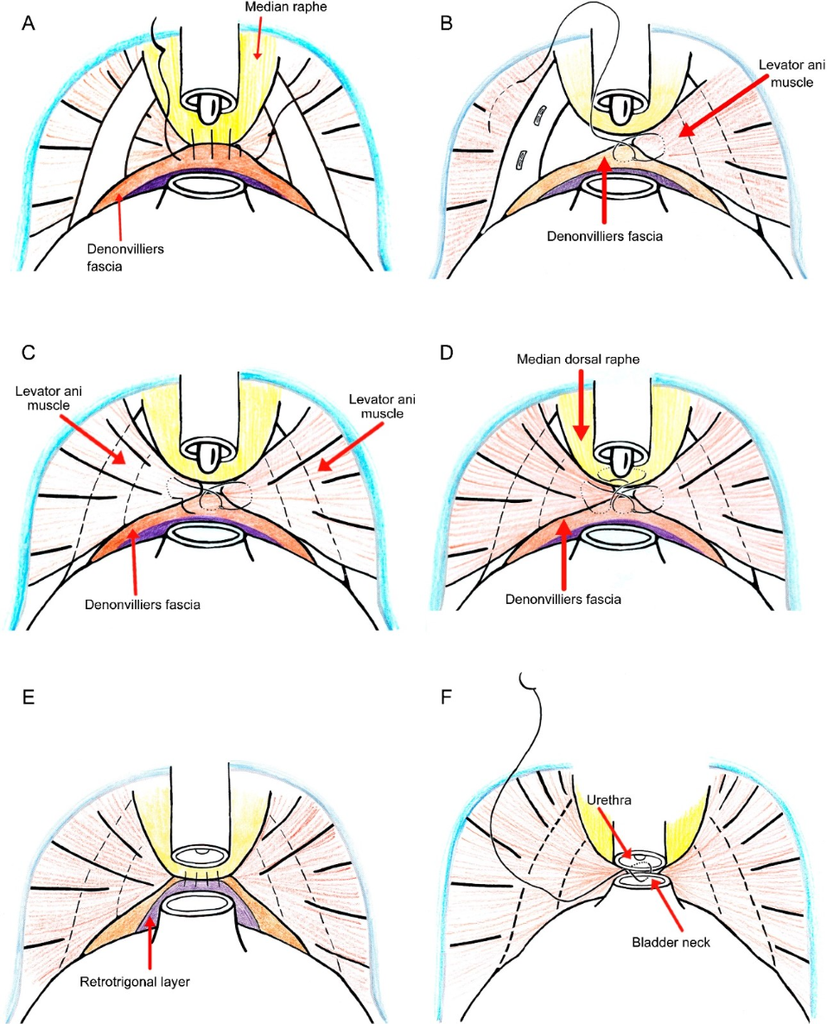
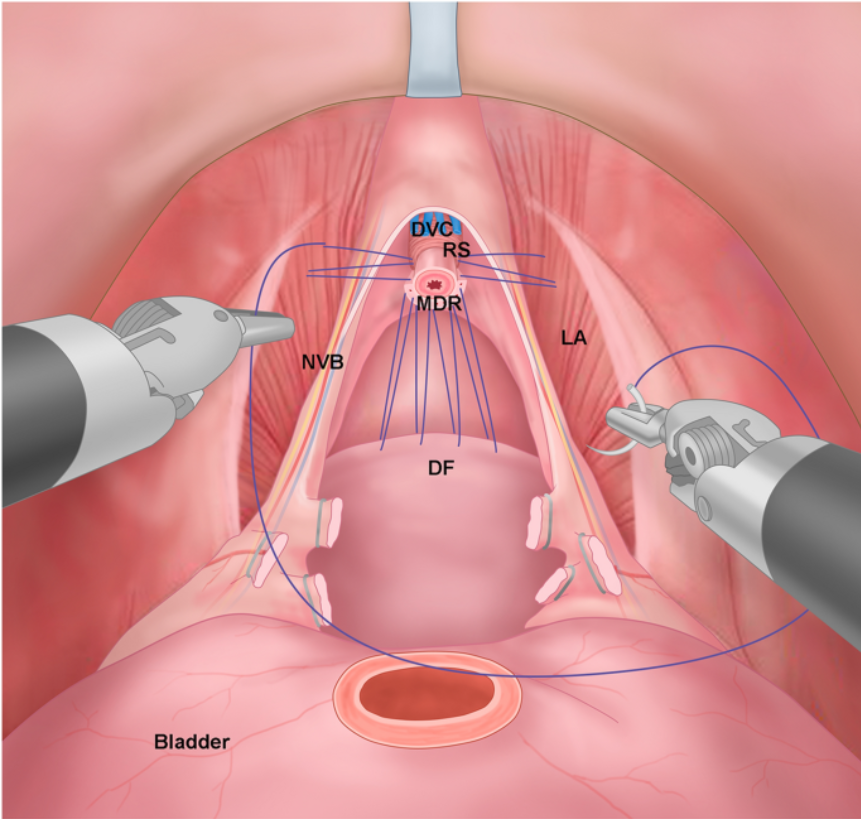
Advanced Reconstruction of Vesicourethral Support (ARVUS): Special techniques to reconstruct the bladder neck and surrounding tissue to boost peri-urethral support, reducing post-surgery incontinence.
3. AI and Augmented Reality (AR) in Surgery
Real-time AI Guidance: AI-supported systems now aid in identifying anatomical structures and predicting intraoperative bleeding with ~90% accuracy.
Augmented Reality (AR): Surgeons can overlay MRI or 3D images onto the live surgical view (augmented reality) to visualize exact tumor locations before cutting, which helps in avoiding positive margins.
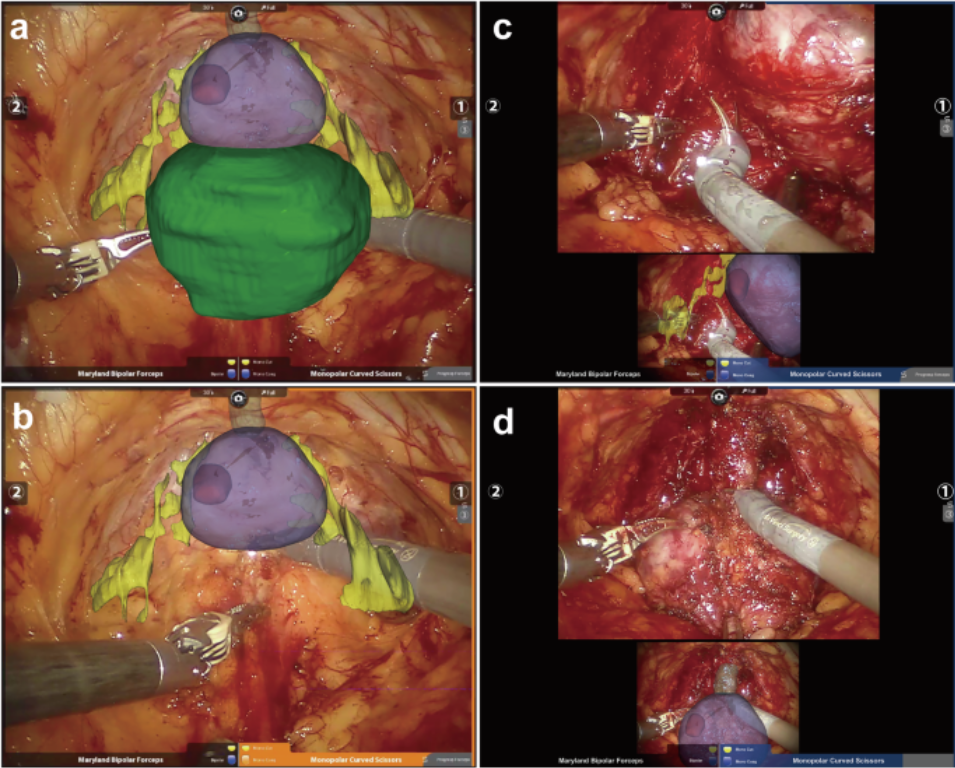
3D Virtual Modeling: Tools like HA3DTM (High-Definition 3D Models) help in tailored nerve-sparing for advanced pT3 cancers.
4. Intraoperative Imaging Breakthroughs
PSMA-Guided Surgery (Specimen PET-CT): Technologies like Aura-10™ enable PSMA-targeted imaging of the removed specimen to immediately confirm if the margins are clear.
Illuminare-1: An imaging agent that makes nerves glow under special light, significantly helping surgeons preserve neurovascular bundles.
NeuroSAFE (Neurovascular Structure-Adjacent Frozen-Section Examination): A technique where a pathologist reviews the margin of the prostate during the operation to check for cancer, allowing the surgeon to remove more tissue if necessary before finishing the procedure.
5. Emerging Trends and Novel Approaches
Partial Prostatectomy: An emerging technique targeting only the tumor “index lesion” rather than the whole gland, similar to a lumpectomy in breast cancer, aiming to maintain cancer control while drastically reducing sexual and urinary side effects.
Telesurgery/Remote Robotic Surgery: 2026 has seen successful cases of transcontinental remote robotic prostatectomy using 5G networks, promising to bring specialized robotic care to remote or underserved areas.
Same-Day Discharge (SDD): High-volume centers are increasingly adopting same-day discharge after RARP, supported by the less invasive nature of SP-RARP, which is safe for select patients.
RADIOTHERAPY:
As of early 2026, advances in radiotherapy for prostate cancer focus on extreme precision, ultra-short treatment courses, and real-time adaptation to minimize side effects and maximize cure rates.
Key developments include the widespread adoption of 5-fraction SBRT, the maturation of MR-guided adaptive radiotherapy (MRgRT), and the integration of artificial intelligence (AI) in treatment planning.
Here are the major advancements as of 2026:
1. Ultra-Hypofractionation & SBRT (Stereotactic Body Radiotherapy)
5-Fraction Standard: SBRT (often called CyberKnife, TrueBeam, or similar technologies) has become a standard of care for localized prostate cancer, reducing treatment from 4–8 weeks to just 5 sessions (typically delivered over 1–2 weeks).
Long-term Efficacy (PACE-B Trial): 2026 data confirms 5-year outcomes for SBRT are non-inferior to conventional radiotherapy, with 96% of men remaining cancer-free, establishing it as a highly effective option for low-to-intermediate risk patients.
Expanding Eligibility: Research is expanding SBRT use to high-risk prostate cancer, with trials investigating its safety in this group.
2. MRI-Guided Radiotherapy (MRgRT) and Adaptive Planning
Real-Time Visualization: The integration of MRI scanners with linear accelerators (MR-Linac) allows doctors to see the prostate and surrounding soft tissues (bladder, rectum) clearly during treatment, unlike CT-based systems.
Real-Time Adaptive Planning: Because prostate shape and motion can change day-to-day, 2026 practice enables “online” adaptation—adjusting the treatment plan while the patient is on the table to avoid hitting healthy tissue.
Reduced Toxicity: Studies, such as the MIRAGE trial, show that MR-guided SBRT significantly reduces genitourinary and gastrointestinal side effects compared to CT-guided treatments.
3. Focal Boosting and Advanced Diagnostics
Targeting the “Dominant Lesion”:
Rather than treating the entire gland with the same dose, advanced techniques now deliver a higher “boost” dose to the specific tumor hotspot (dominant intraprostatic lesion) visible on MRI/PSMA-PET, improving cancer control.
PSMA-PET Integration: PET imaging is now routinely used to better define the target volume, allowing higher doses to tumor sites and less to surrounding healthy tissue.
4. Salvage SBRT for Recurrence
Treatment After Failure: For men whose cancer has returned after initial radiotherapy (radio-recurrent prostate cancer), salvage SBRT has shown promising long-term outcomes and excellent tolerance as a secondary, non-invasive treatment option.
5. Radiopharmaceutical Advancements
Lutetium-177 PSMA: While not a traditional external beam, 2026 sees continued progress in combining targeted radiotherapy with systemic radioligand therapy, particularly for metastatic, castration-resistant prostate cancer (mCRPC).
6. Artificial Intelligence (AI)
Automated Contouring & Planning: AI and deep learning are now routinely used for “auto-segmentation,” drastically reducing the time it takes to map the prostate and organs at risk on CT/MRI scans, and improving treatment planning efficiency.
Summary of Key 2026 Clinical Trial Trends
STAR-TRAP Trial: A 2026 initiative testing whether short bursts of targeted SBRT can hold-off advanced prostate cancer progression, delaying the need for chemotherapy.
DESTINATION Trials: Focused on de-escalation strategies (delivering higher doses with higher precision to decrease toxicity).
In summary, the 2026 radiotherapy landscape for prostate cancer is defined by “less is more” (fewer fractions, better results) and “more is better” (more imaging, more precision)
Recent breakthroughs in radiation therapy emphasize ultra-precise delivery and personalized scheduling to maximize cancer destruction while protecting surrounding healthy tissue.
Key Advances in 2026
- Adaptive Radiotherapy: Doctors now use AI and advanced imaging to re-plan your treatment every single day. Instead of one rigid plan, the machine adjusts to daily changes in your internal anatomy (like bladder or bowel position) to ensure the radiation hits only the prostate.
- Next-Gen Radioligand Therapy: Building on Lutetium-177, new Alpha-emitting tracers (like Actinium-225) are entering clinical use. These deliver much higher energy over a shorter distance, potentially killing cancer cells that were resistant to earlier treatments while sparing more healthy tissue.
- Adaptive Scheduling (RECIPROCAL Trial): New protocols move away from “one size fits all” cycles. Treatments are now being tailored to your specific PSA response, allowing some patients to pause therapy if the cancer is responding well, which significantly reduces side effects like fatigue and dry mouth.
- Urethral-Sparing SBRT: Enhanced Stereotactic Body Radiation Therapy (SBRT) can now precisely “cold spot” the urethra. This helps maintain high doses to the tumor while drastically lowering the risk of urinary toxicity and incontinence.
- MRI-Guided Boosts: Rather than treating the whole prostate with a uniform dose, clinicians are using real-time MRI to deliver a “boost” dose specifically to the visible tumor nodules, improving local control rates.
Recent advancements in radiation therapy prioritize AI-driven precision and shortened treatment windows.
Current Advances
- Adaptive Intelligence: Modern systems use real-time AI to adjust radiation beams during the session, accounting for the natural movement of the prostate and surrounding organs.
- SBRT (Ultra-Hypofractionation): High-dose Stereotactic Body Radiation Therapy allows patients to complete their entire course in 5 sessions or fewer, compared to the traditional 40.
- MRI-Linac: This technology combines magnetic resonance imaging with a linear accelerator, allowing doctors to see the tumor and healthy tissue in high definition while the beam is active.
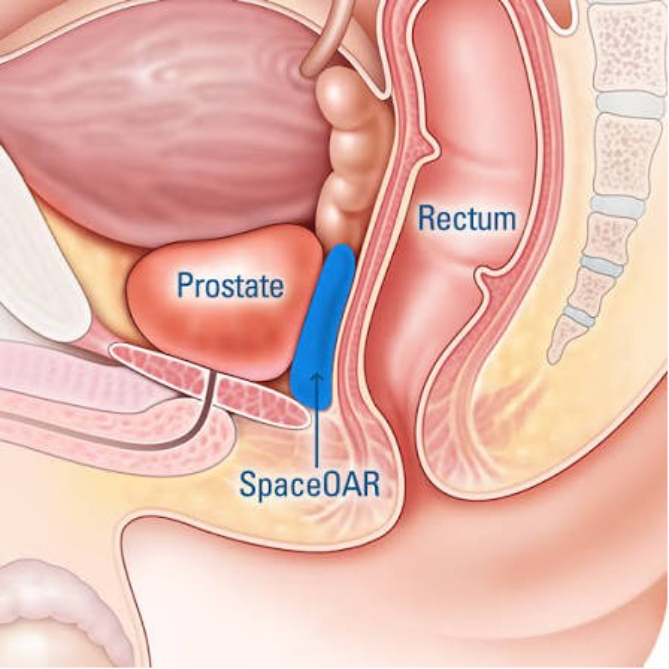
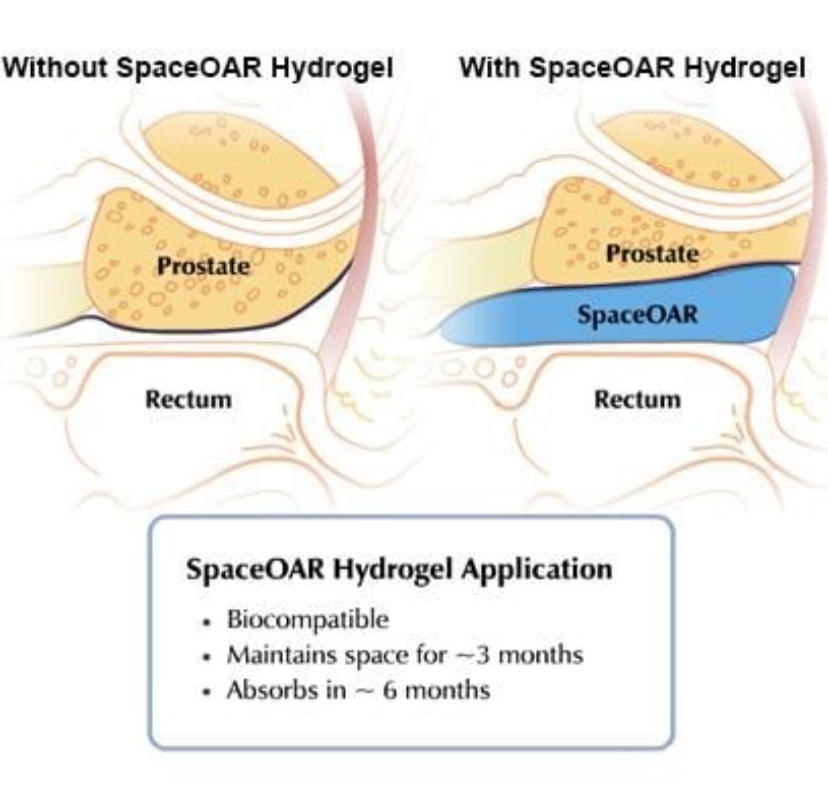
- Hydrogel Spacers: Injectable buffers create physical distance between the prostate and the rectum, significantly reducing long-term bowel complications.
Verdict in 2026
Surgical management of prostate cancer in 2026 is undergoing a profound paradigm shift, transitioning from standardized anatomy removal to ultra-precise, anatomy-preserving interventions.
Robot-assisted radical prostatectomy is now vastly elevated by the integration of artificial intelligence (AI) for real-time intraoperative decision-making, multi-port advancements, and single-port platforms that allow for minimally invasive outpatient access.
Simultaneously, the refinement of functional-sparing techniques, such as Retzius-sparing approaches and PSMA-radioguided surgery using drop-in gamma probes, allows urologists to target hidden metastases with millimetric accuracy while aggressively preserving urinary continence and sexual potency.
Together, these modern technological and technical leaps are successfully redefining the balance between definitive oncological cure and long-term quality of life
The future of radiotherapy for prostate cancer is equally highly promising.
Future Directions include:
- FLASH Radiotherapy: Researchers are developing ultra-high dose rates delivered in less than a second, which appears to kill cancer cells while leaving healthy tissue almost entirely unaffected.
- Radiomics: Using machine learning to analyze medical images for “hidden” data points that predict exactly how a specific tumor will respond to radiation before treatment begins.
- Proton & Heavy Ion Therapy: Increased access to particle therapy provides a sharper “cutoff” point for radiation, further protecting the bladder and sensitive nerves.
Theranostics: The expansion of targeted radioligands (like Actinium-225) acts as “liquid radiation” that seeks out and destroys metastatic cells throughout the body.