Prostate cancer is the third most common cancer among Malaysian men, yet it remains a silent threat due to a lack of awareness and regular screening. Many men only seek medical attention when symptoms become severe, leading to late-stage diagnoses and reduced treatment success rates.
The Silent Killer
Often dubbed a “silent killer,” prostate cancer develops slowly, with early stages showing no obvious symptoms. As the cancer progresses, men may experience difficulty urinating, blood in urine, and pelvic discomfort. Unfortunately, many dismiss these signs as part of aging, delaying early detection.
Rising Cases in Malaysia
The Malaysian National Cancer Registry reports a steady increase in prostate cancer cases over the years. Factors like an aging population, lifestyle choices, and genetics contribute to this rise. While the disease mainly affects men over 50, younger cases have been reported, highlighting the need for vigilance across all age groups.

Challenges in Detection and Treatment
Unlike breast cancer, which benefits from widespread awareness campaigns, prostate cancer screening is not as widely encouraged. The PSA (Prostate-Specific Antigen) test and digital rectal examination (DRE) remain key in early detection, yet many men avoid them due to fear or cultural stigma
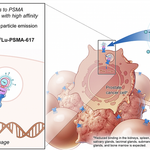
Treatment options in Malaysia include surgery, radiation therapy, hormone therapy, and newer targeted treatments. Private and public hospitals offer these services, but affordability and accessibility remain concerns for some patients.

Encouraging Early Screening
Healthcare professionals advocate for men over 50—or those with a family history—to undergo regular screenings. Public health campaigns and medical institutions play a crucial role in breaking the stigma and ensuring more men prioritize their prostate health.
Early detection saves lives. By promoting awareness and making screenings routine, Malaysia can reduce the burden of prostate cancer and improve survival rates among its male population.