A growing body of research highlights the significant role that lifestyle choices play in cancer risk. Recent studies indicate that nearly one-third of cancer cases could be prevented through healthy lifestyle modifications, including maintaining a balanced diet, engaging in regular physical activity, and avoiding tobacco use.
The World Health Organization (WHO) has released new guidelines recommending a diet rich in fruits, vegetables, whole grains, and lean proteins while limiting processed foods and red meat. Additionally, experts emphasize the importance of maintaining a healthy weight, as obesity is linked to various cancers, including breast, colorectal, and endometrial cancers.
Regular physical activity is equally crucial, with studies showing that individuals who exercise regularly have a lower risk of developing several types of cancer. The WHO recommends at least 150 minutes of moderate-intensity exercise per week, which can be as simple as brisk walking or cycling.
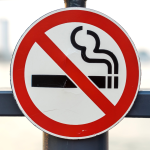
Moreover, the campaign against tobacco use continues to be a top priority. Smoking is the leading cause of preventable cancer deaths worldwide, and quitting can significantly reduce an individual’s risk of developing cancer.
Public health initiatives are increasingly focusing on educating communities about these lifestyle choices and their impact on cancer prevention. Local organizations are providing resources, such as nutrition workshops and fitness programs, to support individuals in making healthier choices.
By promoting awareness and encouraging healthy habits, there is hope that cancer incidence can be reduced, leading to a healthier population and improved quality of life for individuals across the globe.