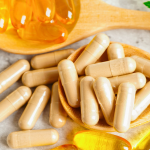
Good nutrition is important for long-term health and lowering cancer risk. A healthy lifestyle including a balanced diet, regular physical activity, maintaining a healthy body weight and avoiding smoking and excessive alcohol, remains the main foundation of cancer prevention. In addition to these habits, researchers are also exploring natural plant compounds for their possible supportive benefits, including those found in grape seeds.
What does grapes and grape seed extract contain?
Grape seed extract (GSE) comes from grape seeds and is rich in plant nutrients called polyphenols, especially proanthocyanidins, which are known for their antioxidant and anti-inflammatory properties that help protect cells (Foshati et al., 2021; Sarkhosh-Khorasani et al., 2021). Current research suggests these compounds play a supportive role in general health and cancer-preventive care.
How does grape seed compounds support healthy cells
1. Supporting oxidative balance and reducing inflammation
Several analyses of controlled human trials found that grape seed extract supplementation was associated with:
• Reduce markers of oxidative damage (Foshati et al., 2021).
• Reduction in oxidised LDL cholesterol (linked to oxidative stress) (Sarkhosh-Khorasani et al., 2021).
• Lower high‑sensitivity C‑reactive protein (a marker of inflammation) (Foshati et al., 2021).
This suggests grape seed extract can help modulate the body’s antioxidant system and reduce oxidative stress.
2. Maintaining healthy cell regulation
Healthy cell regulation in which how cells grow, divide and cell death, is one of the body’s key defenses against cancer. When this process becomes unbalanced, abnormal cells grow more easily. Some research shows that plant compounds in grape seed extract help support these natural control systems. A small human study in people at higher risk of colorectal cancer found that taking grape seed extract lowered certain markers linked to overly fast cell growth in colon tissue (Holcombe et al., 2015).
Scientific reviews report that grape seed polyphenols can influence pathways related to cell protection, inflammation and normal cell life cycles. For example, a review by Kaur et al. (2009) highlighted the potential of grape-derived polyphenols in supporting antioxidant defense and modulating processes linked to cancer risk. In simple terms, grape seed compounds help support normal cell behavior, but they should be used only as part of an overall healthy lifestyle for cancer prevention, not as a guaranteed preventive solution.
Practical prevention tips
For individuals focused on reducing cancer risk:
• Prioritize a diet rich in fruits, vegetables, whole grains, legumes and nuts.
• Maintain a healthy body weight.
• Stay physically active.
• Limit processed meats and alcohol.
• Avoid smoking.
• Attend recommended health screenings.
• If considering supplements like grape seed extract:
o Discuss with your healthcare provider.
o Choose quality-tested products.
Key takeaways
Grape seed extract contains antioxidants that help support general cell health and reduce oxidative stress. Studies show it can improve markers of oxidative stress and inflammation, and research reviews recognize grape polyphenols as promising in cancer-prevention research (Kaur et al., 2009). It is not proven to directly prevent cancer, but it can be a useful support as part of a healthy diet. The most important protection still comes from a good nutrition, regular exercise, weight control and routine screening.