Tobacco consumption remains one of the leading causes of preventable death worldwide, and Malaysia faces significant health and economic challenges as a result of its tobacco use.

Smoking-related diseases such as lung cancer, heart disease, and respiratory illnesses contribute to a growing burden on the country’s healthcare system. In response, the Malaysian government has adopted a range of policies aimed at reducing tobacco consumption, particularly through prevention, regulation, taxation, and public health campaigns. However, despite these efforts, the prevalence of smoking in Malaysia remains high, highlighting the need for continued and strengthened tobacco control policies.
The Tobacco Burden in Malaysia
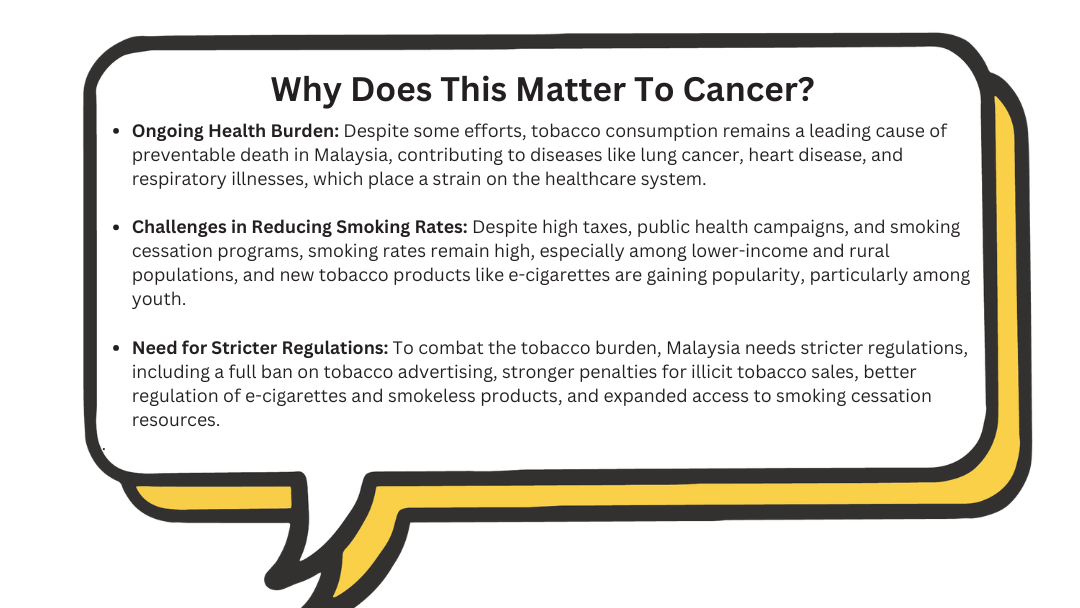
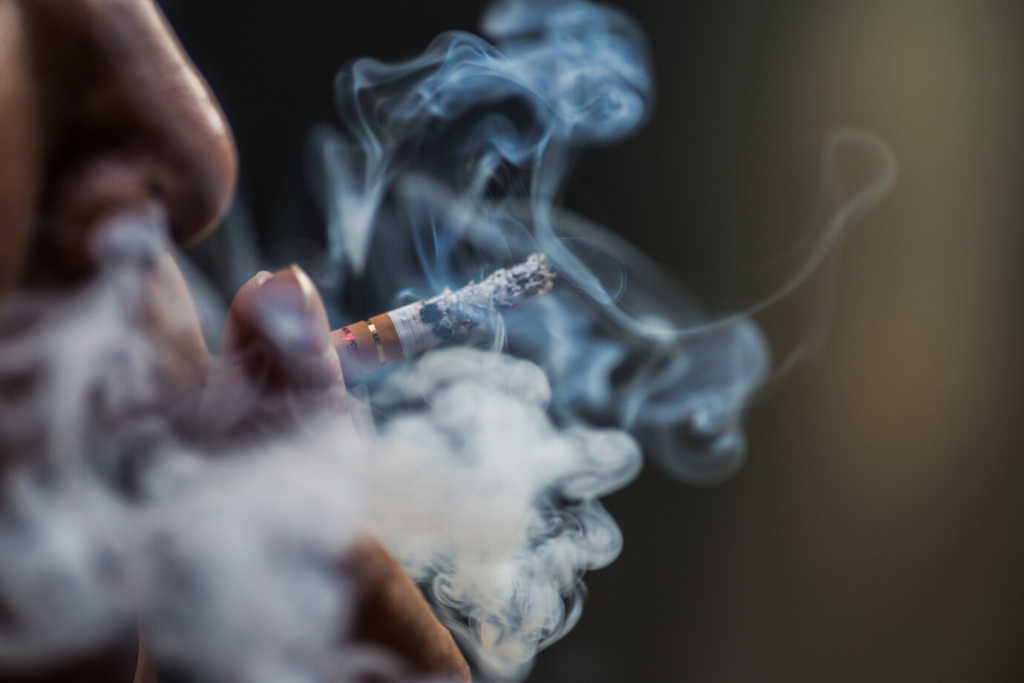
Tobacco use is a major public health issue in Malaysia. According to the World Health Organization (WHO), approximately 22.8% of Malaysian adults aged 15 years and older were smokers as of 2019. The smoking rate is higher among men, with over 40% of adult males smoking, while female smoking rates are significantly lower. Smoking is strongly associated with a range of chronic diseases, including lung cancer, chronic obstructive pulmonary disease (COPD), and cardiovascular diseases. These conditions contribute to increased healthcare costs and reduce the overall quality of life for those affected.

The health risks associated with smoking are compounded by the widespread availability of tobacco products. Malaysia’s large tobacco industry, consisting of both local and multinational companies, continues to market cigarettes and other tobacco products to the public. In response, the government has implemented a variety of measures aimed at reducing tobacco use and mitigating its health impact.
Government Tobacco Policies and Regulations
The Malaysian government has made strides in tobacco control, enacting several key policies and regulations to curb smoking rates and protect public health. These efforts are aligned with global tobacco control frameworks such as the WHO’s Framework Convention on Tobacco Control (FCTC), which Malaysia ratified in 2005.
One of the cornerstone policies in Malaysia’s tobacco control strategy is the Tobacco Control Act, which provides comprehensive regulations for the sale, advertising, and consumption of tobacco products. Under this law, smoking is prohibited in most indoor public spaces, including restaurants, shopping malls, and public transport. The act also mandates the display of graphic health warnings on cigarette packaging, which aim to deter smoking by highlighting the serious health risks associated with tobacco use.
One of the most effective ways to reduce tobacco consumption is through taxation. Malaysia has consistently increased taxes on tobacco products, making cigarettes more expensive and, consequently, less affordable for many people. These price increases have been shown to have a significant impact on smoking rates, especially among younger populations and lower-income groups. Tobacco taxes in Malaysia are among the highest in the region, with the government regularly adjusting excise duties to curb consumption.
To support smokers who wish to quit, the Malaysian government has introduced a number of smoking cessation programs. The Ministry of Health (MOH) provides resources for those seeking help, including counseling services, nicotine replacement therapies (NRT), and hotline support. These programs aim to empower individuals to quit smoking and reduce tobacco dependence over the long term.
In addition to regulatory measures, the Malaysian government has invested in public health campaigns to raise awareness about the dangers of smoking. These campaigns are often conducted through mass media, including television, radio, and print advertisements, and emphasize the health risks associated with tobacco use. The government also collaborates with non-governmental organizations (NGOs) and healthcare providers to educate the public, especially young people, about the harmful effects of smoking.
Challenges in Tobacco Control
Despite these efforts, Malaysia continues to face significant challenges in reducing tobacco consumption.
Although smoking rates have declined over the past decade, the percentage of smokers in Malaysia remains high. A large proportion of the population continues to use tobacco products, particularly in rural areas and among lower-income communities. Young people, in particular, remain a target for the tobacco industry, which uses various marketing tactics to promote smoking among teenagers and young adults.

The tobacco industry remains a powerful force in Malaysia. While advertising of tobacco products has been banned in many forms, the industry continues to influence public policy and health debates. Furthermore, illicit tobacco trade has become a growing issue, with smuggled and counterfeit cigarettes often being sold at lower prices. This undermines the impact of tobacco taxation and regulation.
New forms of tobacco use, such as smokeless tobacco products and e-cigarettes, are emerging in Malaysia. These products are marketed as alternatives to traditional cigarettes, but their long-term health effects are still not fully understood. The Malaysian government has taken steps to regulate e-cigarettes, but these products continue to be a concern due to their rising popularity, particularly among younger populations.
Another significant issue is second-hand smoke exposure. Despite smoking bans in many public places, exposure to tobacco smoke remains a concern, particularly in homes, cars, and private spaces. Non-smokers, especially children and pregnant women, continue to be at risk from the harmful effects of passive smoke.
Future Directions for Tobacco Policy
To reduce the tobacco burden in Malaysia, a more comprehensive and multi-faceted approach is needed. The following areas should be prioritized in future tobacco policy efforts:
While the Tobacco Control Act has made significant progress, more stringent regulations are needed, especially concerning the sale and marketing of tobacco products. A complete ban on all forms of tobacco advertising, including sponsorships and promotions, would be a critical step forward. Furthermore, stronger penalties for the sale of illicit tobacco products should be enforced.
More resources should be allocated to smoking cessation programs, including wider access to free or subsidized NRTs and counseling services. Engaging healthcare professionals in smoking cessation efforts can also enhance success rates.
Malaysia needs to develop specific policies regarding the regulation of e-cigarettes and smokeless tobacco products, ensuring that these products are not marketed as safer alternatives without adequate evidence. Restrictions on the sale of these products to minors and regulation of their nicotine content are essential.
While tobacco taxes in Malaysia are high, further increases would likely result in even greater reductions in smoking rates, particularly among price-sensitive populations.
Tobacco consumption remains a significant public health issue in Malaysia, contributing to a range of chronic diseases and premature deaths. While the government has made important strides in tobacco control through regulations, taxation, and public health campaigns, challenges remain in tackling high smoking rates, the influence of the tobacco industry, and the rise of new tobacco products. By strengthening tobacco control policies and expanding smoking cessation programs, Malaysia can continue its efforts to reduce tobacco use and improve the health of its population.