Cancer remains one of the leading causes of death worldwide, and while genetics and lifestyle factors play major roles, nutrition and supplementation are increasingly studied for their potential impact on cancer risk and recovery. Among these, fish oil supplements which rich in omega-3 fatty acids (EPA and DHA) have attracted significant attention. But what does the science say?
Fish oil and overall, Cancer risk
Large-scale studies show no clear protective effect of fish oil on overall cancer risk. For example, a UK Biobank cohort involving nearly half a million participants reported no significant association between fish oil use and overall cancer incidence. However, in individuals who consumed fatty fish less than twice a week, supplementation was linked to a lower risk of certain cancers, including colon, hepatobiliary, and lung cancers. These suggesting that fish oil may be more beneficial for those with low baseline omega-3 intake (Liu et al., 2022).
Supporting this, evidence from randomized controlled trials and meta-analyses generally shows neutral effects of fish oil supplementation on cancer outcomes. A meta-analysis found no significant impact on cancer incidence, cancer-related mortality, or overall mortality (Zheng et al., 2020). Taken together, these findings suggest that while fish oil is safe, it should not be considered a stand-alone cancer-preventive supplement but may still provide benefits in specific populations.
Prostate cancer: Promising signals
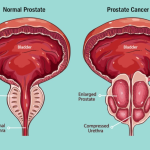
One area where fish oil shows promise is in prostate cancer. A study from the University of California, Los Angeles (UCLA) tested a low omega-6, high omega-3 diet together with fish oil supplements in men with early-stage prostate cancer. The results showed about a 15% drop in a tumour growth marker (Ki-67), suggesting that the cancer cells were growing more slowly (Aronson et al., 2011).
More recently, another follow-up clinical trial involving about 100 men with early prostate cancer found that those who followed the same high omega-3, low omega-6 diet and took around 2 grams of fish oil daily for one year had a significant reduction in tumour cell activity, while the control group (who did not take fish oil) showed an increase. These results suggest that fish oil, especially when combined with a healthier diet lower in omega-6 fats, may help slow prostate cancer progression in men who are being closely monitored rather than treated immediately (Aronson et al., 2025).
Colorectal cancer and fish oil
Research also points to potential benefits of fish oil in colorectal (colon) cancer. Long-term population studies have found that people who eat more fish or omega-3 fats have about a 26–37% lower risk of developing colorectal cancer compared to those who eat very little (Song et al., 2014; Wu et al., 2020). Researchers believe this may be because omega-3s can reduce inflammation in the gut and help balance substances called prostaglandins, which affect how cells grow.
At the same time, new clinical trials are exploring how fish oil might work together with dietary fibre or certain genes to support colon health and lower cancer risk (Murff et al., 2021). Although more research is still needed, these findings suggest that omega-3s may play a helpful role in maintaining a healthier colon and reducing long-term cancer risk.
Support during cancer treatment
Fish oil supplementation may offer benefits during active cancer treatment:
- In gastric cancer surgery patients, fish oil improved nutritional markers and reduced inflammatory cytokines (e.g., IL-6, TNF-α) (Liang et al., 2013).
- In gastrointestinal cancer patients undergoing chemotherapy, fish oil improved treatment tolerance and response, without increasing toxicity (Silva et al., 2019).
These findings suggest fish oil may help support nutritional status, inflammation control, and treatment outcomes.
Fish oil supplements are not a universal cancer-prevention tool, but they may play a supportive role in specific contexts. Evidence suggests:
- Fish oil may lower cancer risk in individuals with low fish consumption.
- In prostate cancer, it may slow tumour growth when paired with dietary changes.
- In colorectal cancer, higher intake is linked with lower risk, though more trials are needed.
- During treatment, fish oil can support nutrition and reduce inflammation.
Overall, while fish oil supplementation is safe and potentially beneficial, it should be seen as a complementary strategy, not a substitute for medical treatment. Patients considering fish oil should always consult their healthcare team, especially during cancer therapy.
References
Liu, Z., Luo, Y., Ren, J., Yang, L., Li, J., Wei, Z., He, Y., Wang, J., Li, R., He, L., Mu, X., Huang, Y., Song, H., Hu, X., & Peng, X. (2022). Association between fish oil supplementation and cancer risk according to fatty fish consumption: A large prospective population-based cohort study using UK Biobank. International Journal of Cancer, 150(4), 562–571. https://doi.org/10.1002/ijc.33819
Zheng, J., Huang, T., Yu, Y., Hu, X., Yang, B., & Li, D. (2020). Marine n−3 polyunsaturated fatty acids are inversely associated with risk of cancer: A meta-analysis of cohort studies. Nutrition, 79–80, 110983. https://doi.org/10.1016/j.nut.2020.110983
Aronson, W. J., Kobayashi, N., Barnard, R. J., Henning, S., Huang, M., Jardack, P. M., Liu, B., Gray, A., Wan, J., & Freedland, S. J. (2011). Phase II prospective randomized trial of a low-fat diet with fish oil supplementation in men undergoing radical prostatectomy. Cancer Prevention Research, 4(12), 2062–2071. https://doi.org/10.1158/1940-6207.CAPR-11-0353
Aronson, W. J., et al. (2025). High omega-3, low omega-6 diet and fish oil supplementation reduce prostate tumour cell proliferation in men on active surveillance: Results from the CAPFISH-3 randomized trial. JAMA Network Open, 8(2), e2501123. https://doi.org/10.1001/jamanetworkopen.2025.01123
Murff, H. J., Shrubsole, M. J., Cai, Q., Smalley, W., Dai, Q., Milne, G., Ness, R. M., & Zheng, W. (2021). Dietary intake of omega-3 fatty acids, genetic variation in the FADS gene, and colorectal cancer risk. Cancer Epidemiology, Biomarkers & Prevention, 30(1), 119–127. https://doi.org/10.1158/1055-9965.EPI-20-0805
Song, M., Chan, A. T., Fuchs, C. S., Ogino, S., Hu, F. B., Mozaffarian, D., & Wu, K. (2014). Marine omega-3 fatty acid intake and risk of colorectal cancer according to microsatellite instability. Journal of the National Cancer Institute, 106(8), dju121. https://doi.org/10.1093/jnci/dju12
Wu, S., Feng, B., Li, K., Zhu, X., Liang, S., Liu, X., Han, S., & Wang, B. (2020). Fish consumption and the risk of colorectal cancer: A systematic review and meta-analysis of prospective cohort studies. European Journal of Cancer Prevention, 29(1), 44–53. https://doi.org/10.1097/CEJ.0000000000000508
Liang, X., Sun, B., Dong, Q., et al. (2013). A prospective, randomized, controlled study of ω-3 fish oil fat emulsion–based parenteral nutrition for patients following surgical resection of gastric tumors. Nutrition Journal, 13, 25. https://doi.org/10.1186/1475-2891-13-25
Silva, D. M., Ferreira, L. T., Rossi, B. P., et al. (2019). Fish oil decreases the severity of treatment-related adverse events in gastrointestinal cancer patients undergoing chemotherapy: A randomized, placebo-controlled, triple-blind clinical trial. Clinical Nutrition, 38(1), 311-318. https://doi.org/10.1016/j.clnu.2018.07.013