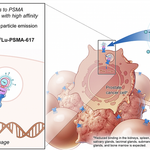
In a significant advancement in cancer treatment, researchers at the National Cancer Institute have unveiled a new targeted therapy that shows promise in treating several types of cancer. This innovative therapy works by zeroing in on specific genetic mutations found in tumors, allowing for more personalized treatment options.
The study, published in a leading medical journal, highlights how the therapy successfully reduced tumor size in 70% of participants diagnosed with metastatic breast cancer. Researchers have identified that targeting specific mutations can enhance the effectiveness of existing treatments, leading to improved patient outcomes.
Dr. Emily Tan, the lead researcher on the project, stated, “This therapy represents a paradigm shift in how we approach cancer treatment. By personalizing therapy to target individual mutations, we can provide more effective and less invasive treatment options for patients.”
Participants in the trial experienced fewer side effects compared to traditional chemotherapy, which often leads to debilitating symptoms. This finding is crucial as it not only improves the quality of life for patients but also increases their chances of survival.
The research team is now planning larger clinical trials to further validate the efficacy of this therapy. If successful, this could pave the way for new treatment protocols that offer hope to patients facing advanced cancer stages. The team encourages patients and healthcare professionals to stay informed as they continue their research in the coming months.
As the medical community remains optimistic about this breakthrough, patients are urged to discuss emerging treatment options with their oncologists, ensuring they have access to the latest developments in cancer care.