Chinese New Year is a time of reunion, gratitude, and abundance. In Chinese culture, preparing generous amounts of food—especially for the reunion dinner—symbolises prosperity, continuity, and blessings for the year ahead. Leftovers are therefore common and often welcomed, reflecting 有余 (surplus). Many families also transform leftovers into familiar dishes such as 菜脚 or asam mustard greens, showcasing thrift and wisdom passed down through generations.
While these traditions are meaningful, food safety deserves special attention during festive celebrations—particularly for vulnerable individuals such as older adults, young children, pregnant women, and people living with cancer or chronic illnesses.
Which Festive Dishes Are Safer to Keep?
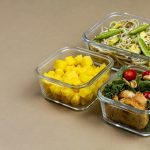
Not all leftovers carry the same level of risk. From a food safety perspective, dry dishes, braised meats, soups, and fully cooked vegetables are generally safer options if handled correctly. These foods should be stored within two hours after cooking, cooled quickly, placed in clean airtight containers, and refrigerated at below 4°C. When stored this way, they should ideally be consumed within one to two days.
If you wish to keep these foods for a longer period, freezing is a safer option. Properly frozen leftovers can be kept for up to three months in a standard home freezer, provided they are well-packaged and labelled with the storage date.
On the other hand, some dishes are not advisable to keep overnight or for repeated reheating. These include seafood, dishes cooked with coconut milk or cream, gravy-heavy stir-fries, half-eaten communal dishes, raw or partially cooked foods, and foods that have been left at room temperature for more than two hours. These items are more prone to bacterial growth and spoilage.
Proper Storage: Place, Time, and Temperature
Food safety begins as soon as the meal ends. Leftovers should not be left on the table “to cool slowly.” Instead, divide food into smaller portions to allow faster cooling before refrigeration. In Malaysia’s warm climate, bacteria multiply rapidly at room temperature, increasing the risk of foodborne illness.
Always store leftovers on the middle or upper shelves of the refrigerator, not on the door, where temperatures fluctuate. Avoid overpacking the refrigerator, as proper air circulation helps maintain safe temperatures.
Reheating Leftovers: Dos and Don’ts
Reheating food properly is just as important as storage.
Do:
- Reheat leftovers until they are steaming hot throughout.
- Stir soups and gravies to ensure even heating.
- Reheat only the portion you intend to eat.
- Consume reheated food immediately.
Don’t:
- Do not reheat food more than once.
- Do not mix freshly cooked food with old leftovers.
- Do not rely solely on smell or taste to judge safety.
- Do not assume reheating can “fix” spoiled food.
It is important to note that some bacteria produce toxins that cannot be destroyed by heat, even if food is reheated thoroughly.
Health Risks of Improperly Stored Leftovers
Improper storage or repeated reheating may lead to foodborne illnesses caused by bacteria such as Salmonella, Listeria, or Bacillus cereus. Symptoms may include nausea, vomiting, diarrhoea, and abdominal pain. For individuals with weakened immune systems—such as people undergoing cancer treatment—food poisoning can be more severe and may require hospitalisation.
Moderation, Sustainability, and Wisdom
Classical Chinese teachings emphasise moderation, balance, and respect for resources. Sustainable cooking—planning realistic portions, sharing food, and minimising waste—is not a modern concept but a long-held virtue reflecting wisdom and responsibility.
Preparing slightly less, storing leftovers safely, and finishing food mindfully protect both health and the environment. True prosperity is not measured by excess, but by well-being, harmony, and care for one another.
This Chinese New Year, honour tradition while prioritising food safety—because good health is the greatest blessing of all.