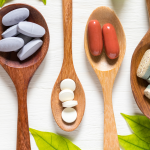
Cancer is one of the most serious health problems worldwide, which is why many people are looking for additional ways to support cancer prevention and treatment alongside medical care. One approach that has gained attention is the use of probiotics, which are beneficial “good bacteria” that help keep the body healthy when taken in the right amounts.
Recent studies suggest that probiotics may help influence how cancer develops, how it progresses, and how the body responds to treatment by working through several natural processes in the body (Ahmad et al., 2025; Seyyedi et al., 2025).
Mechanisms Linking Probiotics and Cancer
Probiotics may help prevent or slow down cancer by keeping the gut healthy. Our intestines have lots of bacteria, and when this balance is disrupted, a condition called dysbiosis, can cause long-term inflammation, weaken the gut, and produce harmful substances that may increase cancer risk, especially in the colon area (Wang, 2024; Ahmad et al., 2025). Probiotics can help bring back a healthy balance, strengthen the gut, and make helpful compounds like butyrate that reduce inflammation and may protect against tumours (Seyyedi et al., 2025).
Probiotics, which are “good bacteria” found in fermented foods like yogurt, tempeh or tauhu, may help fight cancer in a few ways. Some types of probiotics, like Lactobacillus and Bifidobacterium, can slow down the growth of cancer cells, trigger cancer cells to die, and stop tumours from growing by affecting how cells communicate and managing harmful substances in the body (Wang, 2024; Garavaglia et al., 2025).
Probiotics also help enhance the immune system. They interact with immune cells in the gut, helping the body detect and attack harmful cells, and reduce long-term inflammation. This may help prevent tumours from forming or growing by boosting the activity of important immune cells (Ahmad et al., 2025; Seyyedi et al., 2025).
Cancer-Specific and Systemic Effects
Most research so far focuses on cancers of the digestive system, but new studies suggest probiotics might also affect cancers in other parts of the body, like the breast, lungs, and liver. They may work by helping the immune system, influencing metabolism, and changing the environment around tumours. However, how strong and reliable these effects are can differ depending on the type of cancer and the specific probiotic used (Ahmad et al., 2025; Garavaglia et al., 2025).
Probiotics as Adjuncts in Cancer Therapy
In addition to potential preventive roles, probiotics are increasingly studied as adjunctive agents during cancer treatment. Research shows that probiotic supplementation may reduce treatment-related adverse effects, particularly chemotherapy- and radiotherapy-induced gastrointestinal toxicity (Legesse et al., 2024; Yang et al., 2025). Improved gut microbial stability may enhance nutrient absorption, immune function, and overall quality of life in cancer patients (Ahmad et al., 2025; Seyyedi et al., 2025).
Limitations and Future Perspectives
Despite encouraging findings, current evidence is limited by variability in study design, probiotic strains, dosages, and patient populations. Many results are derived from preclinical or observational studies, and large-scale randomized controlled trials are still needed to confirm clinical efficacy and safety. Future research should focus on strain-specific effects, personalized probiotic interventions, and long-term outcomes in cancer prevention and management (Wang, 2024; Legesse et al., 2024; Yang et al., 2025).
References
Ahmad, M. F., et al. (2025). Probiotics and cancer: Mechanistic insights and organ-specific effects. PMC. https://www.ncbi.nlm.nih.gov/pmc/articles/PMC12191238/
Garavaglia, B., et al. (2025). Anti-inflammatory and immunomodulatory effects of probiotics in colorectal cancer. Biomolecules, 13(7), 1554. https://www.mdpi.com/2227-9059/13/7/1554
Legesse Bedada, T., Feto, T. K., & Awoke, K. S. (2024). Efficacy and safety of probiotics as adjunctive therapy in cancer treatment: A comprehensive systematic review and meta-analysis. PubMed. https://pubmed.ncbi.nlm.nih.gov/39659264/
Seyyedi, Z., et al. (2025). Integrating probiotics and microbiome-derived metabolites in cancer suppression. ScienceDirect. https://www.sciencedirect.com/science/article/pii/S2590262825000711
Wang, L. (2024). Exploring anticancer potential of Lactobacillus strains: Mechanistic insights. Dove Press, 15(3), 211–225. https://www.dovepress.com/exploring-anticancer-potential-of-lactobacillus-strains-insights-into–peer-reviewed-fulltext-article-BTT
Yang, R., et al. (2025). Evaluation of the efficacy of probiotics in cancer patients receiving chemoradiotherapy: A meta-analysis. BMC Gastroenterology, 25(1), 129. https://bmcgastroenterol.biomedcentral.com/articles/10.1186/s12876-025-03914-y