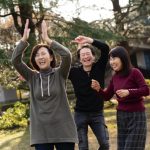
As the curtains close for Breast Cancer Awareness Month, the Cancer Edu-care: A Forum on Life After Treatment, organised by Yayasan Budi Penyayang (PENYAYANG), looked beyond awareness and focused on empowerment.
When a cancer diagnosis is delivered, the world shifts. Yet, the conversation among experts is increasingly moving past initial treatment, focusing on the crucial phase of rebuilding—of transforming oneself from merely a “survivor” to a “driver” of a healthy, purposeful future. This was the central theme of the PENYAYANG’s forum, which emphasised that the greatest tool in this transition is not found in a laboratory but within one’s own mind.
The Non-Negotiable Step: Acceptance
The first and hardest thing to do after getting a diagnosis is to accept it. Tan Sri Dato’ Seri Dr Noor Hisham Abdullah, Consultant Breast & Endocrine Surgeon and Chairman of UCSI Healthcare Group, in his speech said that many patients delay treatment because they deny the reality of their diagnosis.
He noted that this denial prevents them from moving forward, stating plainly, “You cannot deny it; it’s there.”
“Why me?” is often the first question on the emotional path, he added. However, the change to a positive outcome starts when the focus shifts from denial to managing the disease and accepting that “everything happens for a reason.”
Harnessing the power of the mind
The power of a positive mindset cannot be overstated; it can even affect your health. According to Tan Sri Dr Noor Hisham, clinical experience shows that a patient will have a much better chance of survival if they have a positive attitude. On the other hand, a negative attitude often leads to a bad result.
This sentiment is strongly supported by mental health experts. A counsellor from the National Cancer Society of Malaysia (NCSM). Lekshna Rubini Muralivaman notes, “Having a positive mindset does not mean forgetting about the challenges or problems we face. It’s about acknowledging them and having faith in our ability to navigate and overcome them, even if it takes time. When negativity takes over, it can affect a person’s motivation and treatment adherence, which in turn may influence their overall recovery.”
Later in the programme, Mr A.S. Dass, advisor to the Prostate Cancer Society of Malaysia, who survived prostate cancer diagnosed more than 20 years ago, echoed this sentiment during his sharing session. “If you dabble in it [the problem] and keep on thinking about it, you will sink.” His powerful mantra for recovery is “Let go, let go, let nature take its course.”
He says that he has lived a long time because he has made a point of doing new and positive things. He started learning Qigong and Chinese ink painting, which changed his daily life in a big way. This intentional shift—using activity as a purposeful distraction—allowed him to eventually forget about his own cancer.
Finding purpose through community
One of the best ways to get this positive mindset is to get involved in your community. For a lot of people, the diagnosis gives them a new goal and turns them into “lights for others”.
Mr Dass’s personal journey perfectly illustrates this. After his diagnosis, he joined a general cancer support group at the National Cancer Society of Malaysia (NCSM) but noticed that the men were not very open to talking about prostate-specific issues. This led him to spearhead the creation of the first support group for prostate cancer patients in Malaysia, the Prostate Cancer Society of Malaysia. For him, the dedication to helping others—the activity of running the support group—was the antidote to dwelling on his illness.
This need for collective experience echoes the sentiment of Puan Nori Abdullah, Chairman of PENYAYANG, who stressed during her opening speech that this community creates a crucial ‘sisterhood or brotherhood’ that is essential for thriving. It ensures that laughter can be shared, and even tears ‘won’t be shared alone’.
Reclaiming control
The programme ends with a sharing session by fitness expert, Kevin Zahri Abdul Ghaffar, who emphasised that ultimately, reclaiming control over one’s life requires an internal commitment. “After all the treatment and support, the final step rests with the individual. It’s you versus you. Whether you nak or tak nak, it comes down to you.”
The post-treatment journey is not an end, but a beginning. It is a call to action, demanding resilience and the commitment to live a positive, purposeful life. It is a call to action that requires strength and the promise to live a meaningful, positive life. Survivors can move from just getting through their experience to actively shaping their future by using their willpower and connecting with others in their community.